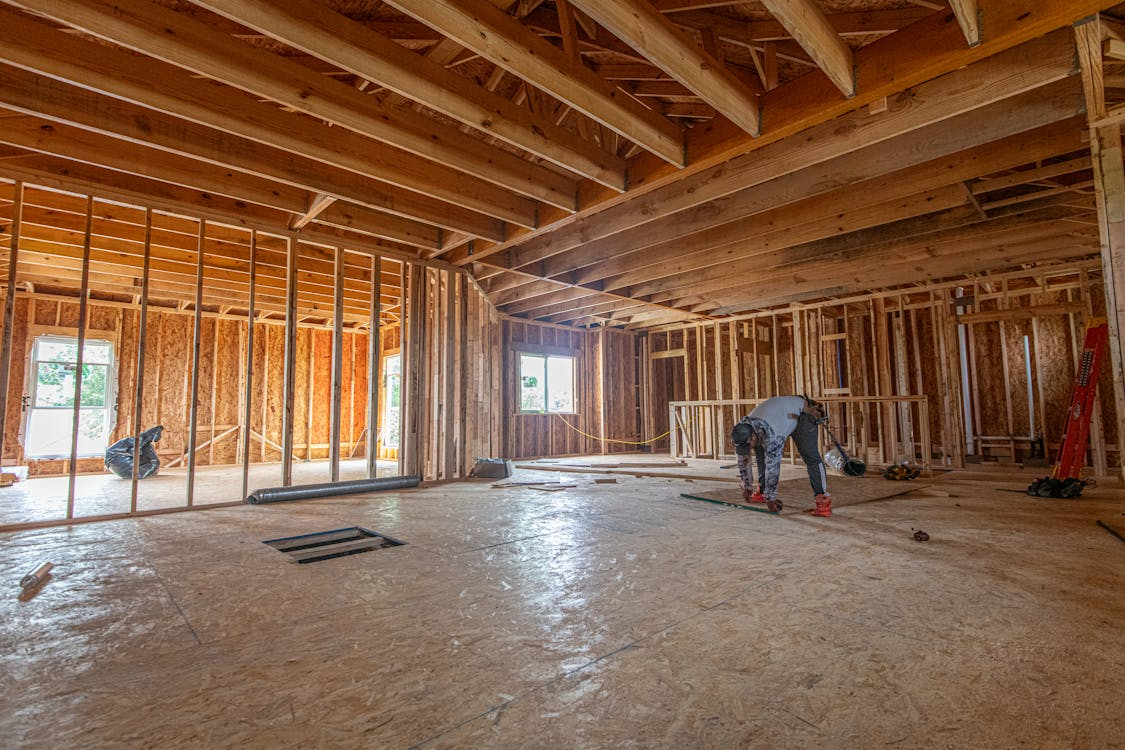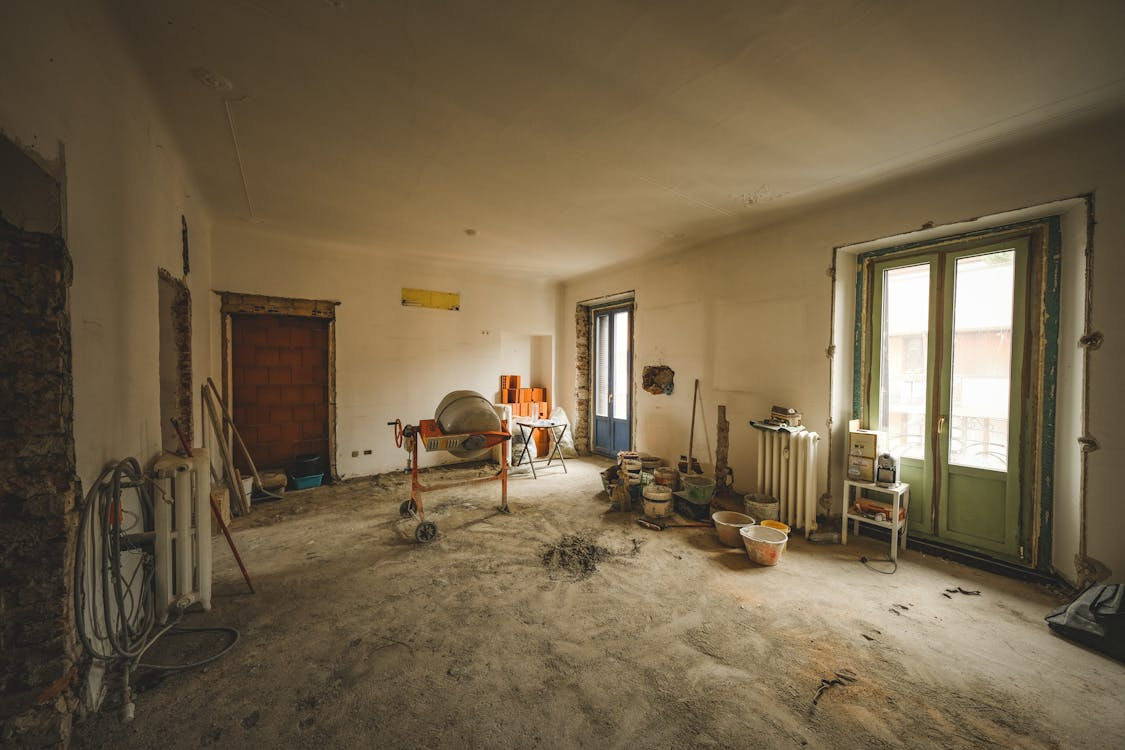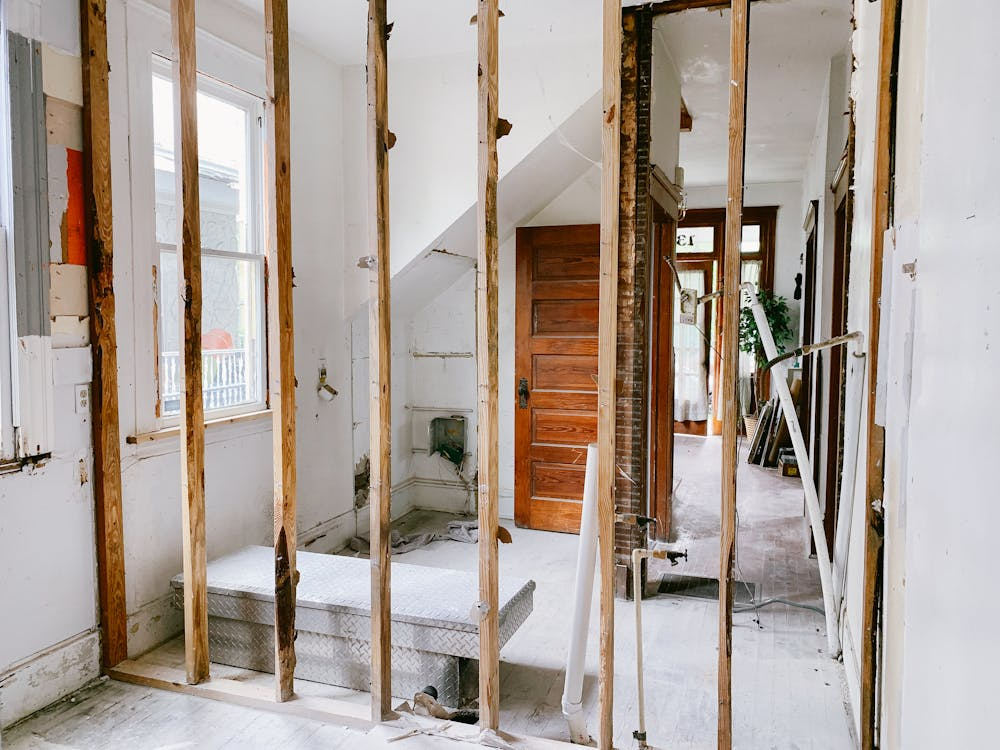

Building a home from the ground up is exciting, but it can also feel overwhelming when you are making decisions about design, budget, approvals, timelines, and finishes all at once. That is why choosing the right custom home builder vancouver homeowners can rely on matters so much. A good builder does more than construct walls and install finishes. A good builder helps you move from ideas to a finished home with a clear plan, steady communication, and practical advice at every stage.
If you are looking for a team that understands residential construction in the Lower Mainland, Surtaj Construction presents itself as a full-scope construction company with experience in custom homes, renovations, laneway homes, duplexes, and multiplexes. Its website also highlights clear communication, local expertise, a portfolio of completed projects, and 2-5-10 home warranty coverage for new homes in B.C.
Why Does Choosing the Right Builder Matter So Much?
A custom home is personal. You are not selecting a standard layout from a short list of options. You are shaping how you want to live every day, from the kitchen flow to storage, privacy, natural light, and long-term comfort.
That is why the right builder should be organized, honest, and realistic. You want someone who can explain what is possible on your lot, guide you through approvals, help you prioritize where to invest, and keep the work moving in a professional way. When a builder is transparent from the beginning, it becomes much easier to avoid confusion later.
This is also where trust matters. On its website, Surtaj emphasizes craftsmanship, accountability, transparency, and teamwork, and it says the company has grown through referrals and repeat clients. For homeowners, that kind of positioning is important because custom home construction vancouver projects are rarely simple. They usually involve many moving parts, and you want a builder who is comfortable managing them from planning through final walkthrough.
What Should You Decide Before Design and Pricing Begin?
Before drawings, finishes, and schedules move too far, it helps to get clear on a few basics. This stage can save time, money, and stress later.
- Think about how you want the home to function day to day. Consider family size, work-from-home needs, entertaining, storage, parking, and whether the home should support future changes.
- Decide what matters most in the budget. For some homeowners, that is layout and structure first. For others, it is kitchen finishes, energy efficiency, built-in storage, or a more elevated design feel.
It also helps to review the builder’s services and recent projects before the first serious conversation. That gives you a better sense of whether the team’s work aligns with your goals. Surtaj’s site shows custom homes, residential renovations, laneway homes, and duplex or multiplex projects, which suggests a useful range for homeowners who may be comparing a primary residence plan with an income or multi-family option.
How Does Custom Home Construction Usually Move Forward?
Most successful builds follow a logical sequence. First comes the conversation about your lot, your goals, and your budget. Then the project moves into planning, approvals, construction, and handover.
Surtaj’s website describes its process as starting with scope, then understanding the client’s vision, followed by execution and the final stage of enjoying the finished space. That simple framework works because it reflects what homeowners need most: clarity at the start, alignment during planning, quality during construction, and confidence at handoff.
In Vancouver, the approval side of the process is important. The City of Vancouver states that new duplexes, single detached houses, laneway houses, home renovations involving certain changes, and multiplex builds may require permits, and some projects need a separate development permit before a building permit can be submitted. The City also notes that inspections are part of project completion, and an occupancy permit is needed for most new buildings.
What this means in practical terms is that a builder should not just talk about finishes and square footage. They should also be prepared to walk you through approvals, documentation, inspection stages, and realistic build timing. That is one reason many homeowners prefer working with an experienced builder instead of trying to manage everything alone.
What Makes a Home Feel Truly Custom and Luxurious?
A luxury home builder vancouver homeowners trust is not only focused on expensive materials. True luxury is usually a combination of comfort, function, durability, and thoughtful detail.
A well-designed custom home often feels different because the layout suits the people living there. Circulation is smoother. Storage is more intentional. Natural light is better used. Finishes feel connected rather than random. The result is a home that supports daily life instead of making daily life work around the house.
This is also where personalization matters most. A custom build can include a more open main floor, a private office, a secondary suite strategy, a stronger indoor-outdoor connection, or finish selections that feel timeless rather than trendy. The best results usually come when design choices are tied to lifestyle rather than impulse. When a builder understands that, the project feels more grounded and less stressful.
How Can You Protect Your Budget and Timeline Without Compromising Quality?
Budget protection starts with honest planning. A good builder should help you understand where costs are fixed, where they can change, and where selections have the biggest impact. That does not mean choosing the cheapest option. It means understanding trade-offs early.
For example, it is often smarter to spend carefully on items that affect daily comfort and long-term performance, such as insulation, windows, heating and cooling, moisture protection, and durable finishes in high-use areas. In B.C., there can also be value in exploring energy-efficiency upgrades. BC Hydro says eligible homeowners may access renovation rebates for improvements such as windows and doors, insulation, heat pumps, and heat pump water heaters, and it notes that an EnerGuide home evaluation can help identify efficiency opportunities.
Timeline protection comes from decision-making discipline. Custom builds slow down when major selections are left too late, when expectations keep changing, or when early planning is incomplete. The smoother projects are usually the ones where the homeowner and builder stay aligned on scope, approvals, materials, and sequence from the beginning.
Why Should Permits, Warranty, and Building Standards Be Taken Seriously?
This part may not be the most exciting, but it is one of the most important. Permits, inspections, warranty protection, and performance standards help protect both the homeowner and the home itself.
In B.C., BC Housing says that if someone wants to act as an owner builder and lead the construction of a new home for personal use, they must obtain an Owner Builder Authorization and pass an exam. BC Housing also explains that all new homes built by licensed residential builders in the province must have 2-5-10 home warranty insurance, which covers labour and materials for two years, the building envelope for five years, and structure for ten years.
Energy performance matters too. The Province of British Columbia says the BC Energy Step Code sets performance requirements for energy efficiency in new buildings. Even when a homeowner is not focused on technical language, the bigger point is easy to understand: better-performing homes are generally more comfortable, more durable, and better prepared for changing expectations over time.
What Should You Ask Before Hiring a Custom Home Builder in Vancouver?
When you are narrowing down your options, ask questions that reveal how the builder thinks, communicates, and manages complexity.
- Can you walk me through your process from consultation to final handover, including approvals, schedule planning, and site communication?
- Can you show me examples of similar work, explain what is included in your estimate, and tell me how you handle changes during construction?
You should also spend time reading about the team, reviewing the portfolio, and making sure the builder’s approach matches your expectations. A good fit is not just about style. It is also about communication, responsiveness, honesty, and whether the builder can translate your priorities into a practical build plan. If you want to discuss your goals directly, you can contact the team through the site’s consultation form.
Choosing a custom home builder vancouver homeowners can trust is really about choosing a process you can trust. The best outcome is not only a beautiful finished home. It is a build experience that feels organized, transparent, and aligned with how you want to live. When your builder understands your goals, respects your budget, and handles the practical side of construction with care, the result is a home that feels truly yours.
Ready to take the next step? Visit Surtaj Construction to explore the company’s services, view projects, and start a conversation about your build.
Works Cited
BC Housing. “Home Warranty Insurance: What Homeowners Need to Know.” BC Housing, www.bchousing.org/licensing-consumer-services/new-homes/home-warranty-insurance-new-homes. Accessed 17 Mar. 2026.
BC Housing. “Owner Builder Information.” BC Housing, www.bchousing.org/licensing-consumer-services/owner-builder. Accessed 17 Mar. 2026.
BC Hydro. “Get an EnerGuide Home Evaluation.” BC Hydro, www.bchydro.com/powersmart/residential/building-and-renovating/get-a-home-energy-audit.html. Accessed 17 Mar. 2026.
BC Hydro. “Rebates for Home Renovations.” BC Hydro, www.bchydro.com/powersmart/residential/rebates-programs/home-renovation.html. Accessed 17 Mar. 2026.
City of Vancouver. “Apply for and Manage Your Permit.” City of Vancouver, vancouver.ca/home-property-development/apply-for-and-manage-your-permit.aspx. Accessed 17 Mar. 2026.
City of Vancouver. “Building Permit.” City of Vancouver, vancouver.ca/home-property-development/building-permit.aspx. Accessed 17 Mar. 2026.
Government of British Columbia. “BC Energy Step Code.” Province of British Columbia, www2.gov.bc.ca/gov/content?id=5FB80BC92FBC455AB6B3A75ECC514EA2. Accessed 17 Mar. 2026.